











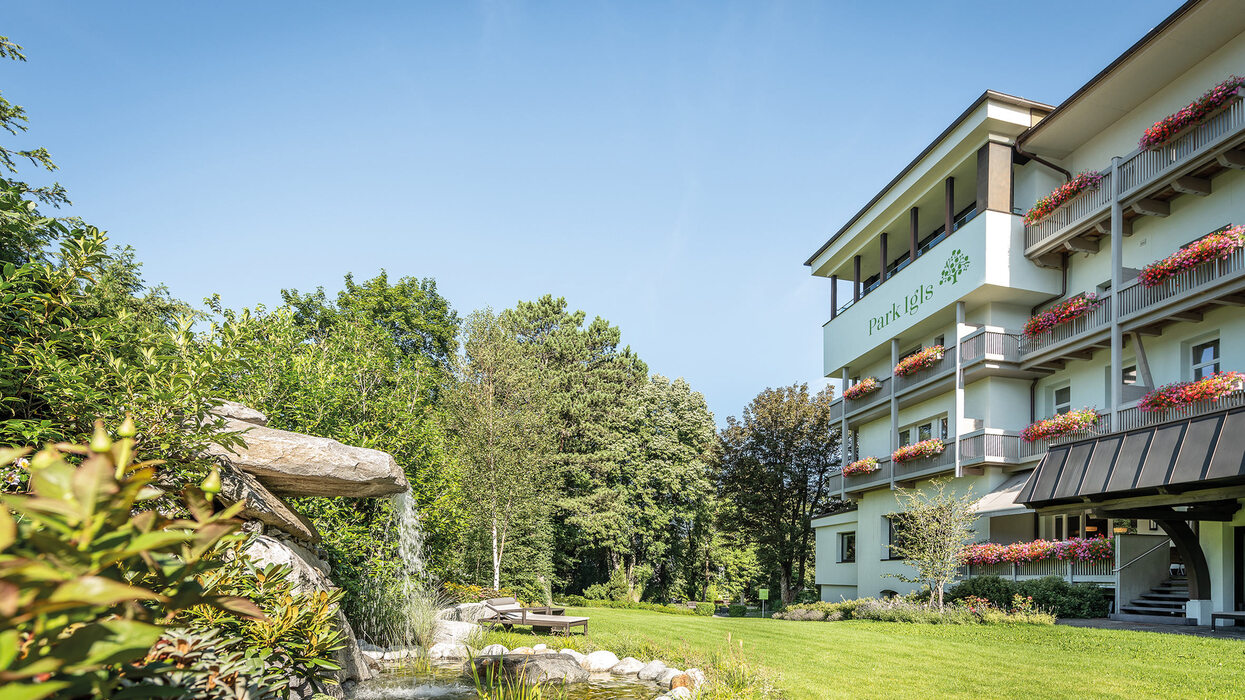
Close to the scenic shores of Slovenia’s Lake Bled, six villas that combine a classic mansion aesthetic with huge, sweeping glass arches are being touted as the world’s first entirely AI-designed luxury properties.
The architects behind the vision have used artificial intelligence to determine everything from understanding the planning, spatial and environment constraints to creating the distinctive geometry of each villa.
So is this the end of design as we know it? How can we mere mortals, who are unable to hold more than seven things in our mind at any time, compete with technology that can handle billions of data points at once? And how can we see the big picture or drill down into the tiniest detail as efficiently as a computer that can scrape every piece of information in the world in a nano-second?
Well, we – as designers – believe we can. We’re still hovering in the foothills of AI, but by capitalising on its strengths rather than viewing it as the enemy, we can harness this new technology to make the design and delivery process the best, fastest and most efficient it can be.
AI can optimise every step of the design, procurement and build process, speeding up the time-consuming, data-driven tasks and freeing up architects and designers to focus on critical thinking and meaningful design development.
This new technology can also suggest endless iterations of design solutions, alternative materials and sustainable options. It can analyse data and recommend ways to run the property more efficiently. It can produce enhanced, interactive 3D modelling of a project, so that clients can feel fully immersed and make informed decisions. And AI-powered technology can connect designers with skilled artisans in remote parts or the world so we can communicate in real time, in different languages.
All of this enables us to deliver a better, faster and more thoroughly considered services to our clients. With AI, we can achieve a deeper level of design thinking while minimising the time spent on repetitive or manual processes.
By streamlining the production process, we can dedicate more time to the elements that truly matter; those that elevate both the design quality and the functionality of a space through thoughtful human insight and emotional intelligence.
Looking ahead, we plan to integrate AI across all stages of our project management workflows, improving our ability to track activities and data across projects and helping us to remain focused on what’s essential. In that way, we can anticipate our clients’ needs more effectively at every stage of delivery.
What AI can’t do is replace the creativity, personal connection and human touch that our projects rely on. It can’t, ultimately, make critical decisions – based on expertise, experience and sometimes gut instinct.
The ever-growing number of AI-powered apps such as Reimagine Home or RoomGPT that enable you to redesign any given room or space are useful for early-stage visualisation of how a property can look – when deciding whether to invest in a house that needs a substantial overhaul, for example, or to provide inspiration. But these are mass market solutions derived from concepts uploaded by millions of users worldwide. For anyone wanting something unique, bespoke, featuring beautiful natural materials or specialist finishes, you won’t find it the AI way.
And in an age in which the worrying concept of ‘alternative facts’ exists, artificial intelligence also can’t guarantee the validity of information sources. Is a certain material genuinely sustainably sourced? Is it really what the AI-generated information claims it is? It needs us to use our human intelligence to determine that.
What’s more, even though in time our homes will automatically know what we want and function accordingly, we’re nowhere near that stage yet. AI relies on vast amounts of data capture – and, as John Fitzpatrick, from home automation experts Cornflake commented recently at a Luxury Property Forum webinar on the impact of AI on the luxury property industry, 'it needs to keep capturing years of data in the same property and location for accuracy. Clients expect a lot more than we can currently deliver.'
What’s certain, though, is that AI is here to stay and we need to embrace it. Peter Swain, an AI educator and ‘futurist’, comments that 'AI holds the whole context and you can drill down into the slices you need'.
There’s one final thing that AI doesn’t have - and that’s taste. It may be able to design a property from scratch, but will it be what you want? Can it meet you face to face, look you in the eye, bring you materials to touch, and earn your trust that it what you want? No – but we can.
Advisory is Tatler’s trusted network of influential private client experts, all at the pinnacle of their profession. From Family Law to Property, our hub of elite practitioners have the gilt-edged expertise necessary to advise UHNW and HNW individuals. Find out about Nicolas here.
